
It’s understandable to want to get rid of pimples effectively! There are several approaches, ranging from over-the-counter (OTC) treatments to prescription options and home care.
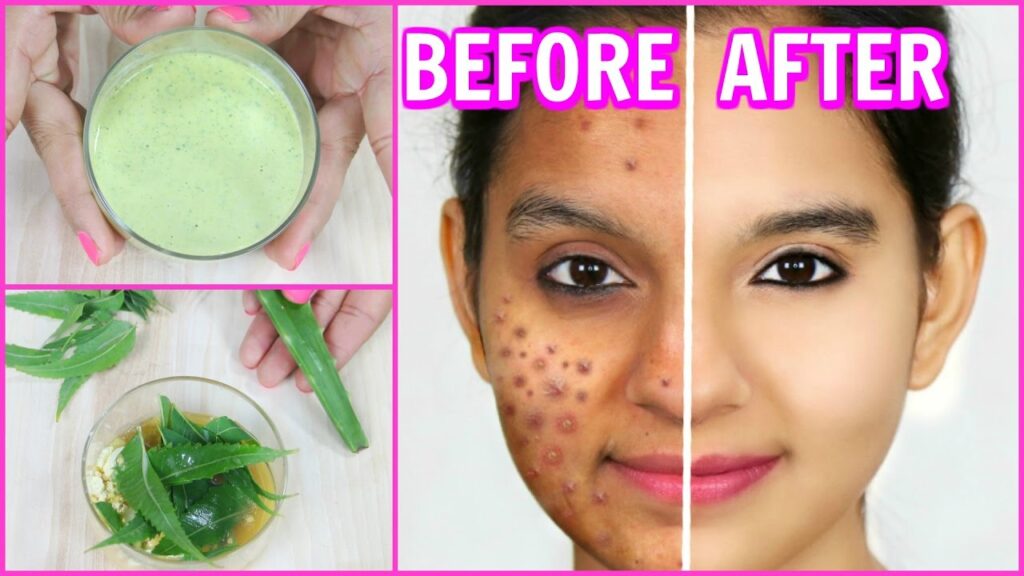
Here is a breakdown of effective methods
🧴 Over-the-Counter (OTC) Treatments
These products are generally the first step for mild to moderate acne and often contain one or more of these key active ingredients:
- Benzoyl Peroxide
- How it works: Kills acne-causing bacteria, removes excess oil, and sheds dead skin cells.
- Tip: Start with a lower concentration (2.5% or 5%) to minimize dryness or irritation, and be aware that it can bleach fabric.
- Salicylic Acid
- How it works: A beta-hydroxy acid (BHA) that exfoliates the skin and helps unclog pores.
- Tip: It is available in various forms like cleansers, toners, and spot treatments.
- Adapalene (a type of Retinoid)
- How it works: Helps prevent clogged pores and new breakouts by normalizing cell turnover.
- Tip: The 0.1% gel is the only OTC retinoid. It can cause dryness and sun sensitivity, so use it at night and always wear sunscreen during the day.
💊 When to See a Dermatologist
If OTC treatments aren’t working after a few months, or if you have severe, painful, or cystic acne, it’s best to consult a dermatologist. They can offer stronger, prescription-strength treatments, such as:
- Topical Prescription Medications: Higher-strength retinoids (like tretinoin), topical antibiotics, or combination gels.
- Oral Medications: Oral antibiotics for moderate to severe acne, or Isotretinoin for severe cystic acne.
- In-Office Procedures: Cortisone injections (for large, painful pimples), chemical peels, or laser therapy.
💧 Daily Skincare & Best Practices
A consistent routine is vital for both treating and preventing pimples:
- Cleanse Gently: Wash your face twice a day and after sweating using a mild, gentle cleanser and lukewarm water. Avoid scrubbing harshly.
- Do NOT Pick or Pop: Resist the urge to squeeze or pick at pimples. This can push bacteria deeper, worsen inflammation, and significantly increase the risk of scarring and dark spots.
- Moisturize: Use a lightweight, oil-free, and non-comedogenic moisturizer to prevent dryness, especially when using active treatments like benzoyl peroxide or retinoids.
- Wear Sunscreen: Daily use of a broad-spectrum SPF 30+ sunscreen is essential, as many acne treatments increase sun sensitivity and sun exposure can worsen acne marks.
- Keep Things Clean: Regularly clean items that touch your face, like your phone screen, sunglasses, and pillowcases.
🌿 Simple Spot Treatments
For a quick, temporary reduction in redness and swelling for a single pimple:
- Ice: Wrap an ice cube in a thin cloth and apply it to the inflamed pimple for a few minutes at a time to reduce swelling.
- Pimple Patches (Hydrocolloid Dressings): These patches draw out fluid, protect the pimple from environmental dirt, and prevent you from picking at it.
Would you like more information on the side effects of any specific ingredient, like Benzoyl Peroxide or Salicylic Acid?
🔸 Disclaimer
The information provided in this blog is for general awareness and educational purposes only. Before using any of the mentioned home remedies, tips, or products, please consult a qualified dermatologist or doctor.
Every individual’s skin is different, so the results of any treatment may vary from person to person. The author or website will not be responsible for any side effects or damages of any kind.